

How to Choose the Color Palette for Your Wedding?
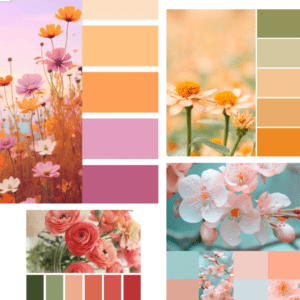
Choosing your wedding color palette is a crucial step in planning the event. Colors not only define the event’s aesthetic but also tell a story—your story. Imagine walking into a space where everything, from the flowers to the napkins, the candles, and your outfits, feels perfectly in sync, as if you’ve transported your guests to a world crafted by you both. Here’s a detailed guide with tips on how to choose the perfect colors for your special day:
The Elegance of the White
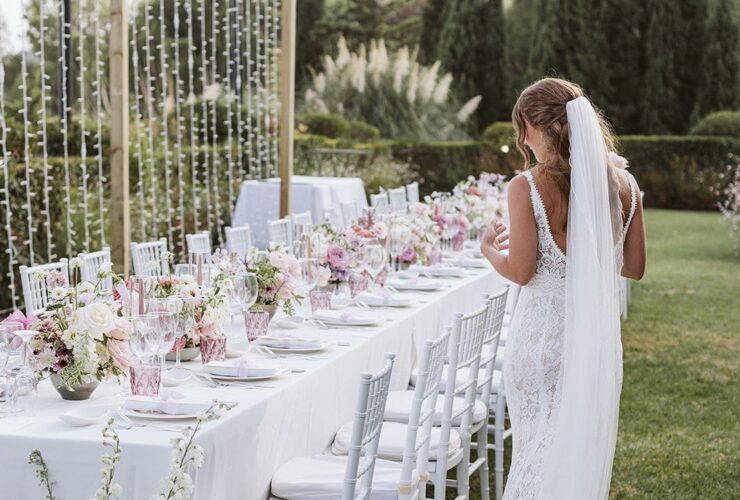
White is the color that often dominates weddings—it symbolizes purity and elegance. It’s a neutral shade that works well in any setting, much like green. Plus, it pairs beautifully with any other color you choose.
If you’re considering other palettes, keep these factors in mind:
Season of the Year
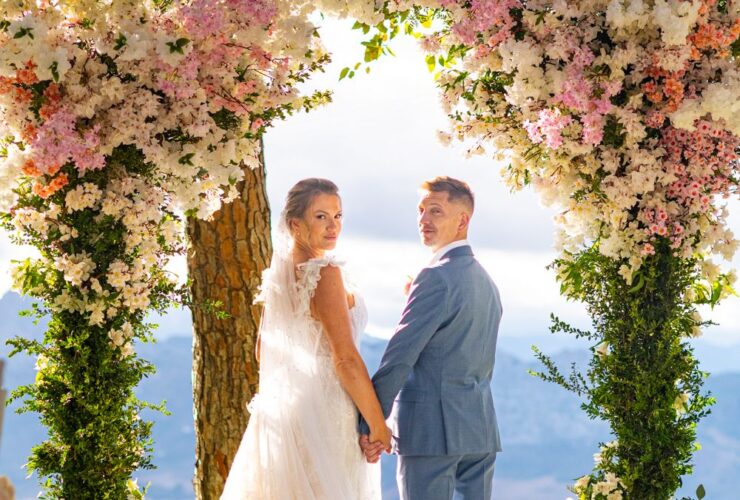
- Spring and Summer: These seasons invite celebration, color, and joy, offering endless floral and tonal options—from soft pastels to vibrant hues. Examples: soft pinks, light blues, lavenders, oranges (soft or bold), subtle or bright yellows, and rich greens.
- Autumn: Perfect for warm and earthy tones like peach, salmon, burnt orange, browns, deep yellows, terracottas, burgundy, dark red, and chocolate brown.
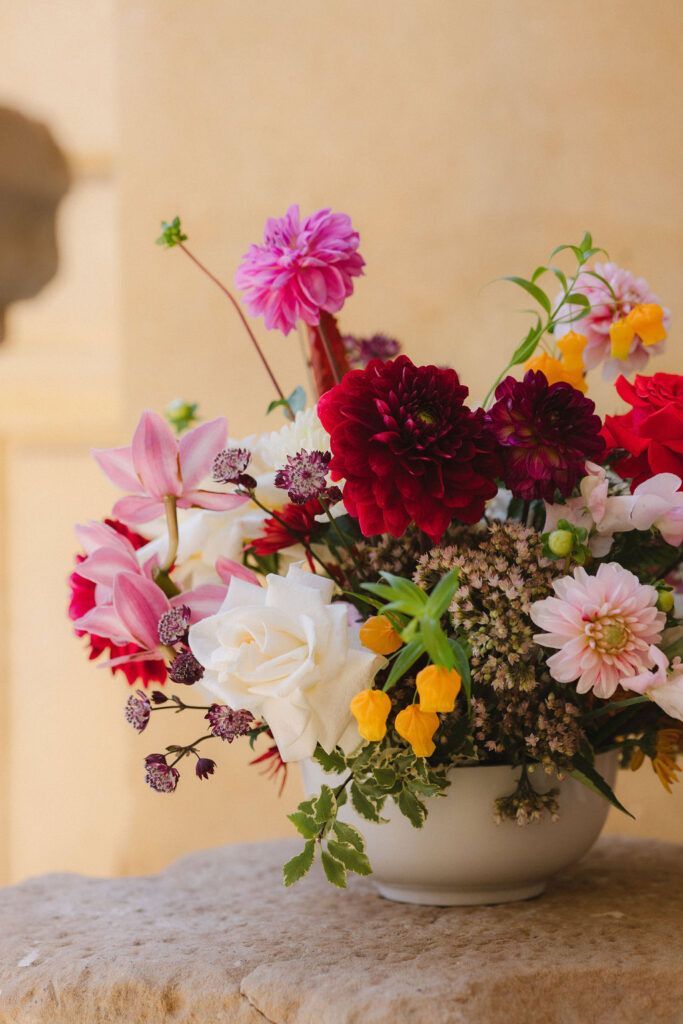
- Winter: A time for cozy gatherings by the fire, but it also offers fascinating options. Think whites, yellows (like tulips, daffodils, or acacias), silver accents, various greens, and deep reds.
The setting of your wedding greatly influences your color choices:
- Gardens or lush vegetation: Warm tones like white, cream, nudes, and peach work beautifully.
- Rustic venues: Consider terracotta, ochres, yellows, greens, or bold, colorful palettes.
- Coastal venues: Incorporate tropical elements, cheerful and vibrant tones, or go for classic, luxurious combinations like pastels, whites, light pinks, and blues.
Wedding Style and Theme
Your personal style will shape your choices. Ask yourself and your partner:
- Are you bold and avant-garde or prefer minimalistic designs with soft tones?
- Do you like to surprise or keep things classic and prepared down to the last detail?
- What outfits will you choose for your big day? Communicating these preferences to your florist or wedding planner is key.
Step-by-Step: Choosing Your Ideal Palette
- Get Inspired or Create a Mood Board: Look for references on Pinterest, wedding magazines, and social media. (Here’s a link to more ideas)
- Choose Your Base Color: Select the main color that will anchor your palette.
- Add Complementary or Contrasting Colors: Combine tones harmoniously using color theory (color wheel). If unsure, consult your florist to find the perfect match for your theme.
- Consider Textures and Finishes: Matte, shiny, metallic, velvet, silk, fruits, etc., can add depth and interest to your palette.
Current Trends
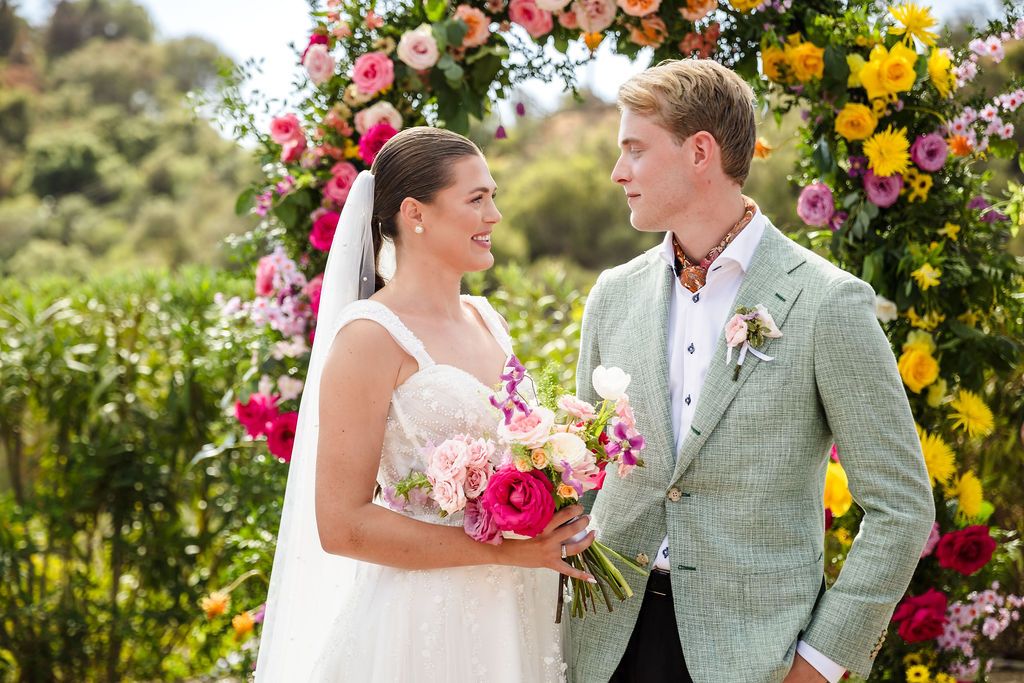
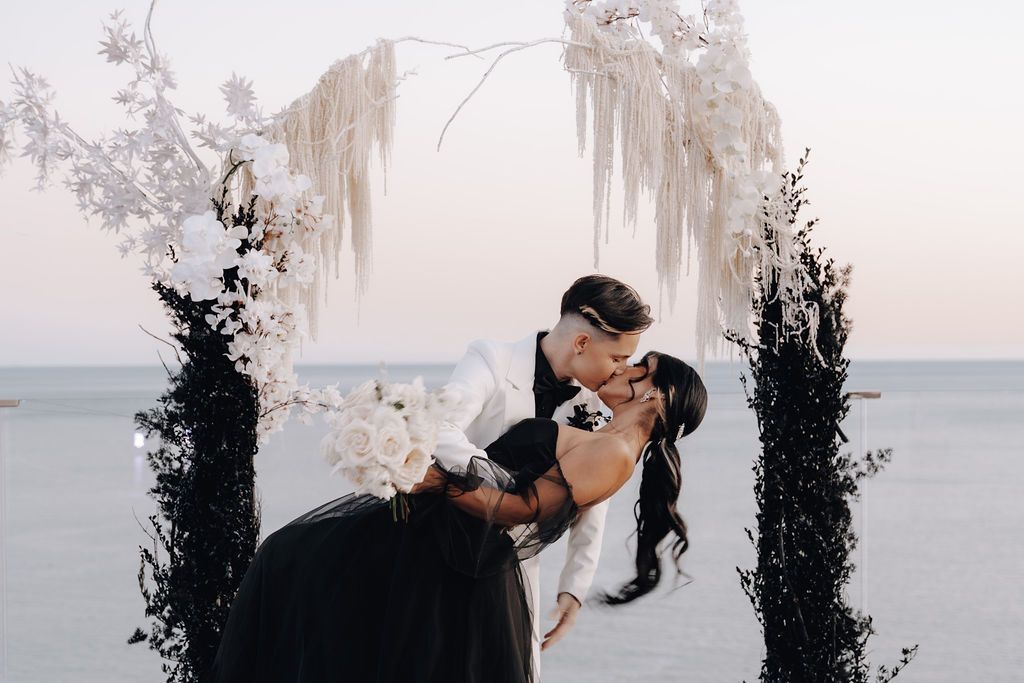
Metallic tones like gold, silver, and bronze continue to shine as sophisticated accents. Soft hues such as pale rose, white, and muted greens evoke elegance and romance. Dynamic contrasts like white with deep purple or midnight blue create a striking, timeless look. Vivid shades like fiery oranges, radiant yellows, and bold reds add warmth and energy to any wedding theme
Final Tips
- Be flexible and creative with your palette.
- Don’t be afraid to mix different tones and intensities—your florist or planner can help refine your ideas.
- Think about how colors will appear in photos and décor. Photographers often apply subtle filters, so your mental image will always feel more vivid.
- Remember, your wedding color palette is an expression of your style and personality. There are no strict rules—choose what makes you happy and fills you with excitement just thinking about it.